Labrador Retriever vs Bouledogue Français
Comparaison côte à côte du Labrador Retriever et du Bouledogue Français — tempérament, besoins d'exercice, toilettage, espérance de vie et compatibilité familiale.
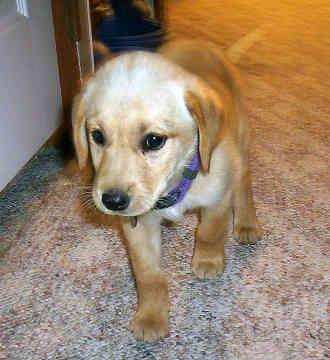
Labrador Retriever
Chien
Bouledogue Français
Chien| Labrador Retriever | Bouledogue Français | |
|---|---|---|
| Taille | Grand | Petit |
| Poids | 55-80 lbs | 16-28 lbs |
| Espérance de vie | 10-12 years | 10-12 years |
| Niveau d'énergie | Élevé | Faible |
| Adapté aux enfants | Oui | Généralement |
| Adapté à l'appartement | Cela dépend | Oui |
Personnalité et comportement
Labrador Retriever
Le Labrador est extraverti, équilibré et doux. Très intelligent et désireux de plaire, il fait un excellent chien de thérapie et d'assistance.
Bouledogue Français
Le Bouledogue Français est affectueux, patient et facile à vivre. Il développe des liens forts avec sa famille et peut être particulièrement attaché à une seule personne. Bien qu'il soit généralement bon avec les enfants, une supervision est recommandée en raison de sa petite taille. Vigilant, il fait un bon chien d'alarme, sans toutefois aboyer de manière excessive. Son tempérament équilibré le rend adapté aux maîtres débutants.
Jeux et activités
Labrador Retriever
Un exercice quotidien soutenu est nécessaire. La natation est un excellent exercice à faible impact pour ses articulations.
Bouledogue Français
Le Bouledogue Français a des besoins modérés en exercice, généralement 15 à 20 minutes de marche deux fois par jour. En raison de sa structure brachycéphale, il est sujet à la surchauffe et aux difficultés respiratoires, surtout par temps chaud ou humide. L'exercice doit être limité aux heures les plus chaudes. Ils ne savent pas bien nager en raison de leur morphologie et ne doivent jamais être laissés près de l'eau sans surveillance. Les jeux d'intérieur et la stimulation mentale sont d'excellentes alternatives.
Cadre de vie
Labrador Retriever
Adaptable à la plupart des environnements mais nécessite une activité extérieure quotidienne. Animal sociable, il doit vivre à l'intérieur avec la famille.
Bouledogue Français
Le Bouledogue Français est idéal pour la vie en appartement grâce à sa petite taille, ses faibles besoins en exercice et ses aboiements limités. C'est un chien d'intérieur qui ne doit pas être laissé dehors, en particulier par températures extrêmes. La climatisation est recommandée en climat chaud en raison de sa sensibilité à la chaleur. Il préfère rester près de ses maîtres et s'adapte à divers cadres de vie, de l'appartement à la maison.