Saint-Bernard vs Retriever Doré
Comparaison côte à côte du Saint-Bernard et du Retriever Doré — tempérament, besoins d'exercice, toilettage, espérance de vie et compatibilité familiale.
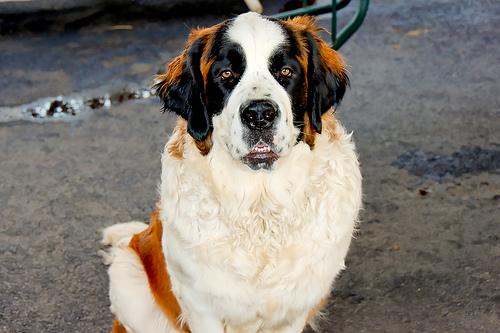
Saint-Bernard
Chien
Retriever Doré
Chien| Saint-Bernard | Retriever Doré | |
|---|---|---|
| Taille | Grand | Grand |
| Poids | 120-180 lbs | 55-75 lbs |
| Espérance de vie | 8-10 years | 10-12 years |
| Niveau d'énergie | Faible | Élevé |
| Adapté aux enfants | Oui | Oui |
| Adapté à l'appartement | Non | Cela dépend |
Personnalité et comportement
Saint-Bernard
Amical, patient et extraverti. Surnommé 'chien-nounou' pour sa vigilance et sa patience avec les enfants.
Retriever Doré
Les Golden Retrievers se distinguent par leur attitude amicale et tolérante. Ce sont des chiens très sociables qui s'épanouissent en compagnie humaine et sont connus pour leur patience avec les enfants. Leur intelligence et leur désir de faire plaisir les rendent très faciles à éduquer. Ils affichent généralement un tempérament calme à l'intérieur tout en conservant une nature active et joueuse à l'extérieur. Cette race est généralement extravertie et fait confiance aux étrangers, ce qui en fait de piètres chiens de garde mais d'excellents compagnons de famille.
Jeux et activités
Saint-Bernard
Exercice modéré. Évitez la surchauffe car ce sont des chiens de climats froids.
Retriever Doré
Les Golden Retrievers ont besoin d'un exercice quotidien substantiel, généralement de 60 à 90 minutes. Ils excellent dans les activités de rapport et sont des nageurs nés grâce à leur pelage déperlant. Une activité physique régulière est essentielle pour maintenir un poids sain et prévenir les troubles du comportement. La stimulation mentale par l'éducation et les jouets d'occupation est tout aussi importante compte tenu de leur grande intelligence.
Cadre de vie
Saint-Bernard
Nécessite de l'espace et un climat frais. Non adapté aux climats chauds ou aux petits logements.
Retriever Doré
Bien que le Golden Retriever puisse s'adapter à la vie en appartement avec suffisamment d'exercice, il s'épanouit dans des maisons disposant d'un espace extérieur. C'est un chien d'intérieur qui doit vivre avec sa famille plutôt que d'être relégué dans un jardin. Il ne tolère pas bien l'isolement et peut développer de l'anxiété s'il est laissé seul pendant de longues périodes. Un jardin clôturé est idéal pour des jeux extérieurs en toute sécurité.