Norwegian Forest Cat vs Persian
Comparación lado a lado del Norwegian Forest Cat y el Persian — temperamento, necesidades de ejercicio, aseo, esperanza de vida y compatibilidad familiar.

Norwegian Forest Cat
Gato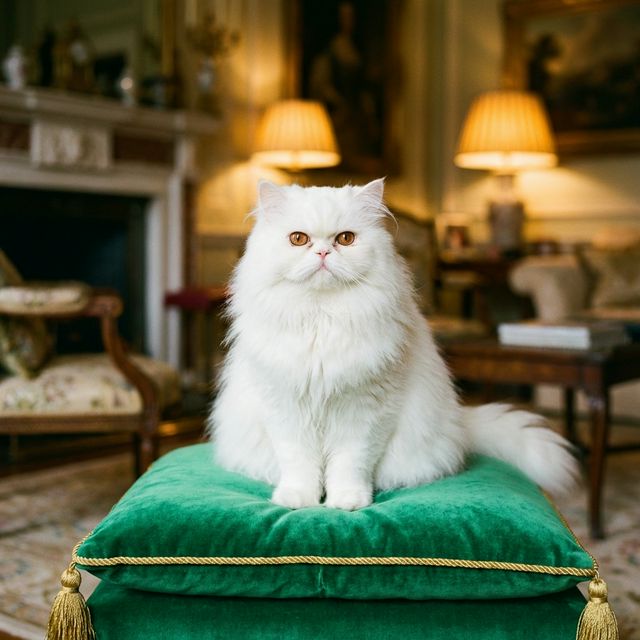
Persian
Gato| Norwegian Forest Cat | Persian | |
|---|---|---|
| Tamaño | Grande | Mediano |
| Peso | 10-20 lbs (4.5-9 kg) | 7-12 lbs |
| Esperanza de vida | 14-16 years | 12-17 years |
| Nivel de energía | Medio | Bajo |
| Bueno con niños | Sí | Por lo general |
| Apto para piso | Sí | Sí |
Personalidad y comportamiento
Norwegian Forest Cat
Inteligente, juguetón y de temperamento dulce. Muy orientado a la familia pero puede ser reservado con los extraños.
Persian
El Persa se caracteriza por su temperamento dulce y dócil. Tranquilo y cariñoso, prefiere ambientes estables y previsibles. Aunque aprecia la compañía, es menos exigente que algunas razas. Generalmente se lleva bien con los niños dulces y respetuosos. Menos activo que muchas razas, prefiere tumbarse a las actividades deportivas. Es un gato de interior que prospera en la rutina.
Juego y actividades
Norwegian Forest Cat
El espacio vertical es esencial. Proporciona grandes rascadores y estructuras para escalar.
Persian
El Persa tiene niveles de actividad bajos a moderados y prefiere los juegos dulces y tranquilos. Cortas sesiones regulares de 10-15 minutos generalmente bastan. Aprecia los juguetes que no requieren demasiados saltos ni carrera. El juego interactivo debe ser dulce para evitar el estrés. La estimulación mental por distribuidores o observando el exterior por la ventana es beneficiosa. Aprecian rincones de descanso cómodos por toda la casa.
Entorno de vida
Norwegian Forest Cat
Se adapta a la vida de interior si dispone de oportunidades de escalada. El pelaje requiere un aseo regular.
Persian
El Persa es ideal para la vida en piso. Es un gato estrictamente de interior debido a su largo pelaje y su naturaleza dócil que lo hacen vulnerable fuera. Requiere un ambiente tranquilo y silencioso con un mínimo de estrés. El control de la temperatura es importante, su pelaje espeso lo hace sensible al calor. Deben preverse varias zonas de descanso cómodas. Se adapta bien a la rutina y prefiere ambientes estables y previsibles.