Persian
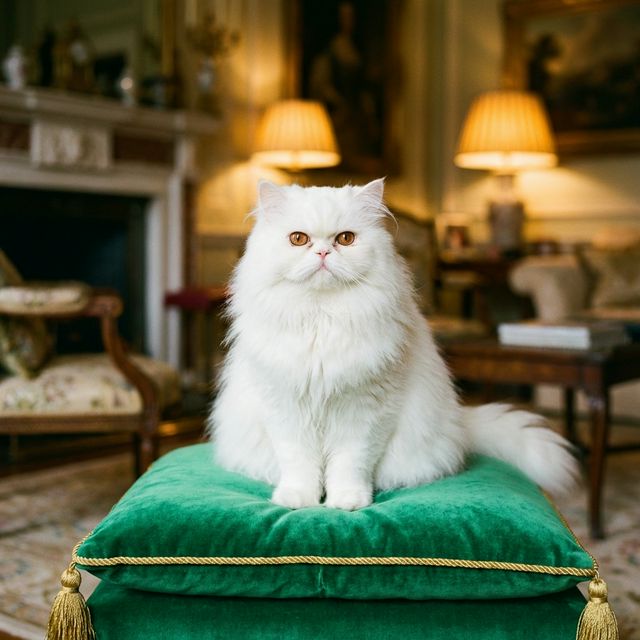
Persian cats are one of the oldest and most recognizable cat breeds. Characterized by their round faces, short muzzles, and long, flowing coats, they have been bred for centuries as companion animals. They are known for their calm temperament and preference for serene environments.
Did you know?
- Persians have been popular for over 100 years!
- Their fur needs daily brushing to stay beautiful and mat-free.
- They come in over 80 different color combinations! 🎨
- Persian cats appeared in the world's first cat shows in the 1800s.
- Their flat faces give them the sweetest expressions!
⚡ Quick Facts
💖 Personality & Behavior
Persians are characterized by their docile, gentle temperament. They are quiet, affectionate cats that prefer calm, predictable environments. While they enjoy companionship, they are not as demanding as some breeds. They are generally good with children who are gentle and respectful. Persians are less active than many breeds and prefer lounging to athletic activities. They are indoor cats that thrive on routine.
🍖 Food & Treats
Persians require high-quality cat food appropriate for their age and activity level. Due to their brachycephalic face structure, shallow, wide food bowls are recommended. Some Persians may have sensitive digestive systems and benefit from easily digestible formulas. Wet food can help with hydration. Hairball control formulas may be beneficial due to their long coats. Consistent meal times help maintain their preference for routine.
🧶 Play & Activities
Favorite Games & Activities:
- Gentle feather toys
- Laser pointer (casual chasing)
- Soft batting toys
- Lounging in sunny spots
- Watching bird videos
Persians have low to moderate activity levels and prefer gentle, calm play. Short, regular play sessions of 10-15 minutes are typically sufficient. They enjoy toys that don't require excessive jumping or running. Interactive play should be gentle to avoid stressing them. Mental stimulation through puzzle feeders or watching outdoor activity through windows is beneficial. They appreciate comfortable resting spots throughout the home.
🏡 Living Environment
Persians are ideally suited for apartment living. They are indoor-only cats due to their long coats and docile nature, which make them vulnerable outdoors. They require a calm, quiet environment with minimal stress. Temperature control is important, as their thick coats make them sensitive to heat. Multiple comfortable resting areas should be provided. They adapt well to routine and prefer stable, predictable environments.
☀️ Climate & Weather Safety Advisory
Brachycephalic Breed: Prone to breathing difficulties in warm/humid weather. Always ensure a cool, air-conditioned environment.
✨ Fun Facts
- Persians have been popular for over 100 years!
- Their fur needs daily brushing to stay beautiful and mat-free.
- They come in over 80 different color combinations! 🎨
- Persian cats appeared in the world's first cat shows in the 1800s.
- Their flat faces give them the sweetest expressions!

