Scottish Fold vs Persan
Comparaison côte à côte du Scottish Fold et du Persan — tempérament, besoins d'exercice, toilettage, espérance de vie et compatibilité familiale.
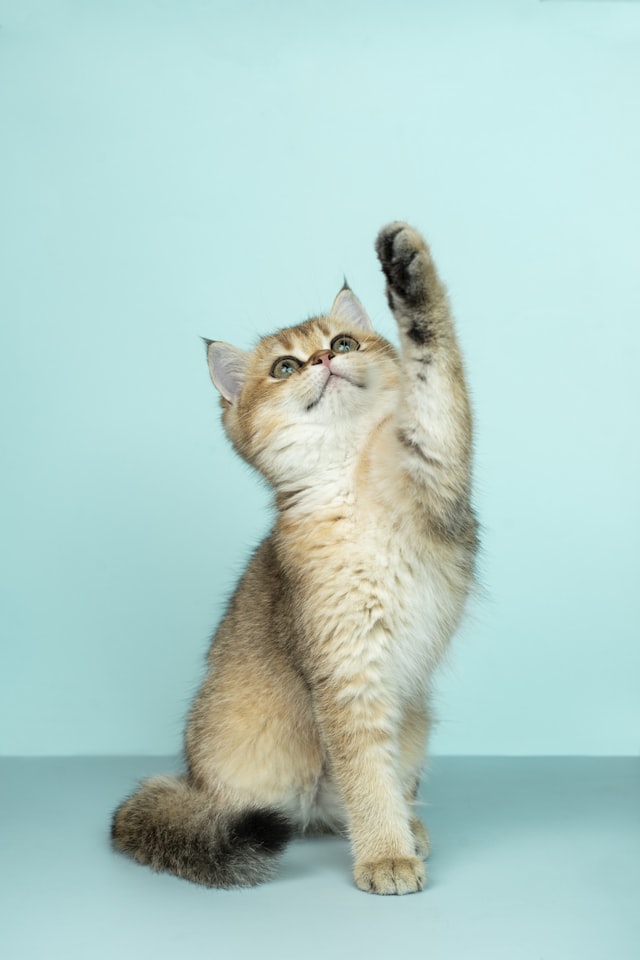
Scottish Fold
Chat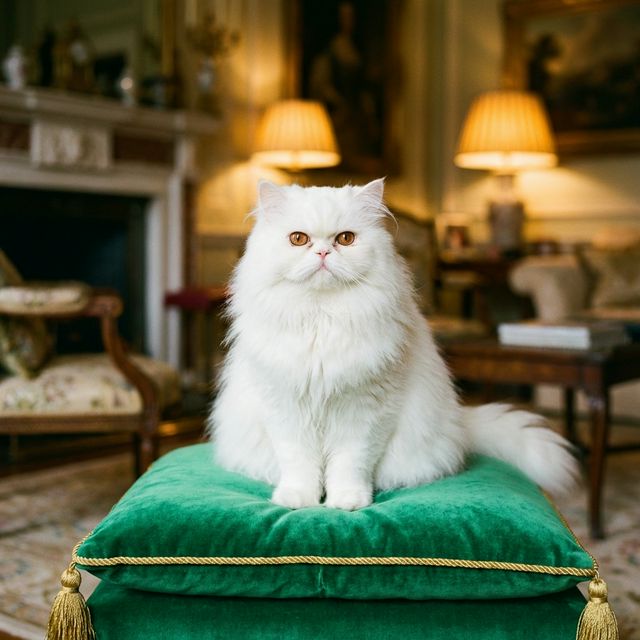
Persan
Chat| Scottish Fold | Persan | |
|---|---|---|
| Taille | Moyen | Moyen |
| Poids | 6-13 lbs | 7-12 lbs |
| Espérance de vie | 11-14 years | 12-17 years |
| Niveau d'énergie | Faible | Faible |
| Adapté aux enfants | Oui | Généralement |
| Adapté à l'appartement | Oui | Oui |
Personnalité et comportement
Scottish Fold
Le Scottish Fold est de bonne nature et s'adapte bien aux autres animaux et aux enfants. Très affectueux, il s'épanouit avec l'attention.
Persan
Le Persan se caractérise par son tempérament doux et docile. Calme et affectueux, il préfère les environnements stables et prévisibles. Bien qu'il apprécie la compagnie, il est moins demandeur que certaines races. Il s'entend généralement bien avec les enfants doux et respectueux. Moins actif que beaucoup de races, il préfère se prélasser aux activités sportives. C'est un chat d'intérieur qui s'épanouit dans la routine.
Jeux et activités
Scottish Fold
Un exercice modéré est nécessaire. Les jouets-taquinant et les casse-têtes sont bons pour la stimulation mentale.
Persan
Le Persan a des niveaux d'activité faibles à modérés et préfère les jeux doux et calmes. De courtes séances régulières de 10-15 minutes suffisent généralement. Il apprécie les jouets qui ne nécessitent pas trop de sauts ou de course. Le jeu interactif doit être doux pour éviter le stress. La stimulation mentale par des distributeurs ou en observant l'extérieur par la fenêtre est bénéfique. Ils apprécient des coins de repos confortables dans toute la maison.
Cadre de vie
Scottish Fold
Excellents chats d'appartement. Ce sont des chats strictement d'intérieur.
Persan
Le Persan est idéal pour la vie en appartement. C'est un chat strictement d'intérieur en raison de son long pelage et de sa nature docile qui le rendent vulnérable dehors. Il nécessite un environnement calme et tranquille avec un minimum de stress. Le contrôle de la température est important, son pelage épais le rend sensible à la chaleur. Plusieurs zones de repos confortables doivent être prévues. Il s'adapte bien à la routine et préfère les environnements stables et prévisibles.